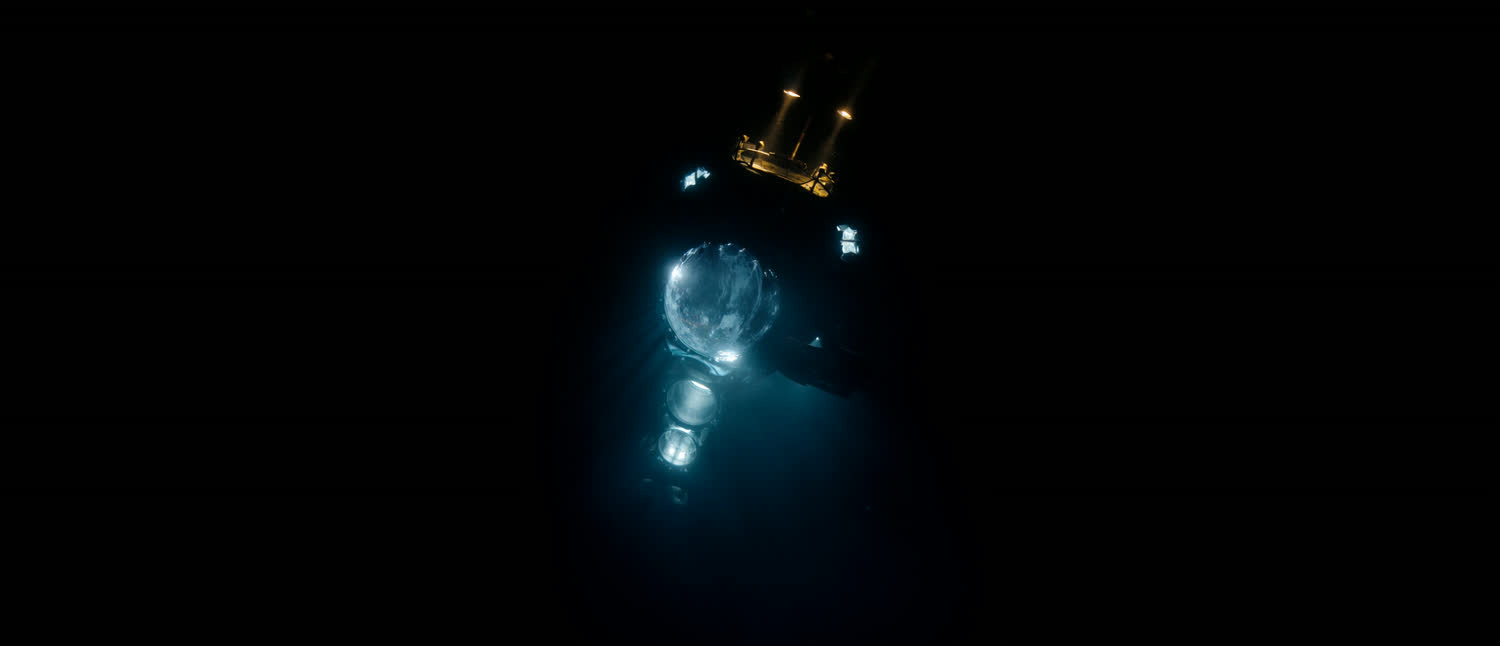
The Black Tide opens in the middle of the fall, not after it. A deep-ocean research breach releases an ancient pathogen into a world with no protocol for it, and within days the systems everyone depends on — hospitals, ports, airports, bridges, command rooms — start failing in real time. Season One follows that failure across eight linked hours, from the first diverted flights to a collapsing New York, from a secondary outbreak in Seoul to a worldwide network of fronts, refugee lines, and hard choices made in rooms with no good options.
At the center are three people who did not cause the catastrophe and cannot escape it. Archie, who built a private maritime empire out of ports, ships, and cold-chain logistics, converts that empire into an evacuation lifeline — and returns to the special-operations career he once left behind. Maria, a trauma surgeon and his partner, turns a venue built for celebration into a triage ward, and refuses to let the math of survival decide who counts as a person. Justin, a former naval special-forces officer who built a biotech company to move faster than institutions could, carries the weight of a research architecture that let material outrun warning.
The infected are not monsters. They are living people, moving through five recognizable stages of a disease no one chose — and the real danger of The Black Tide is what desperate people do to each other once the rules stop holding: who gets a seat, who gets a warning, who gets left at the fence. This is a story about a world still standing, told by the people trying to hold it together.